


Dental Implants
in West Orange, NJ

Dental Implants Near You
Patients can enjoy a more comfortable and functional bite after losing teeth with dental implants. Implants act as artificial roots to anchor permanent teeth replacements. If you are missing one or more teeth or need to have one extracted, dental replacements can be a great option to restore your smile in West Orange, NJ.
Dental implants can be beneficial for people who want a tooth replacement option that closely imitates natural teeth. They can be a very effective long-term solution for missing teeth. Dental implants are available at Newark Orange Emergency Dental & Implant Center in West Orange, NJ, and the surrounding area.
Questions to Ask at Your Dental Implants Consultation
Getting a brand-new smile in West Orange, NJ, is an exciting time, but the process may seem intimidating. Knowing the right questions to ask can ease anxiety. Newark Orange Emergency Dental & Implant Center prides itself on transparency, and we strive to answer all questions regarding treatment goals, oral evaluations, and medical history.
Key questions to consider include:
- How long is the placement procedure?
- Will my current medications or health conditions interfere with treatment?
- What are the risks, and how can they be managed?
- What should I expect during the recovery period?
The Dental Implant Procedure
The process for dental implant placement in West Orange, NJ, typically involves preparation, the placement process, and follow-up care. According to the CDC, nearly 19% of adults aged 65 and over experience complete tooth loss. Fortunately, dental implants offer cosmetic and functional benefits that other options cannot match.
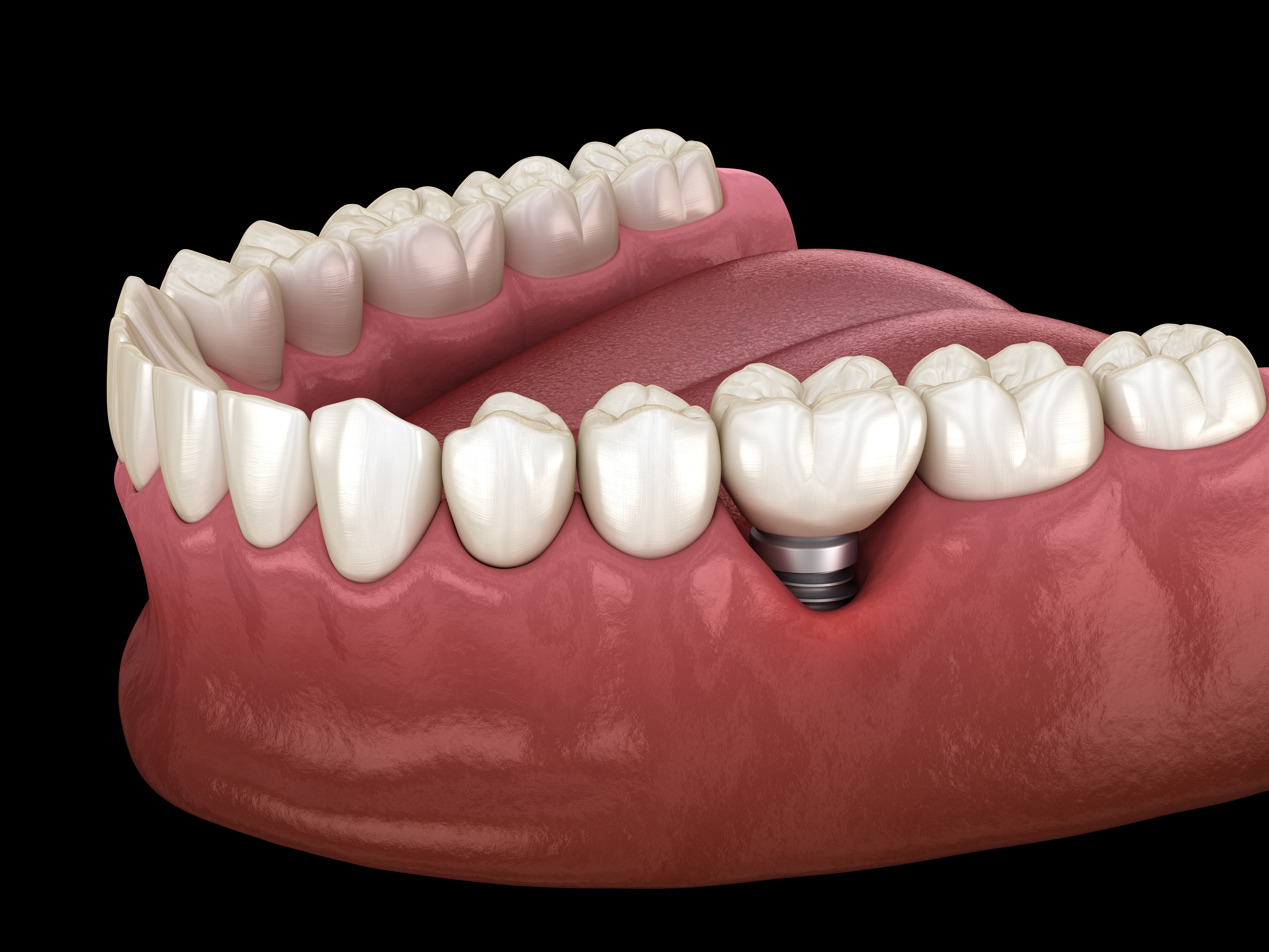
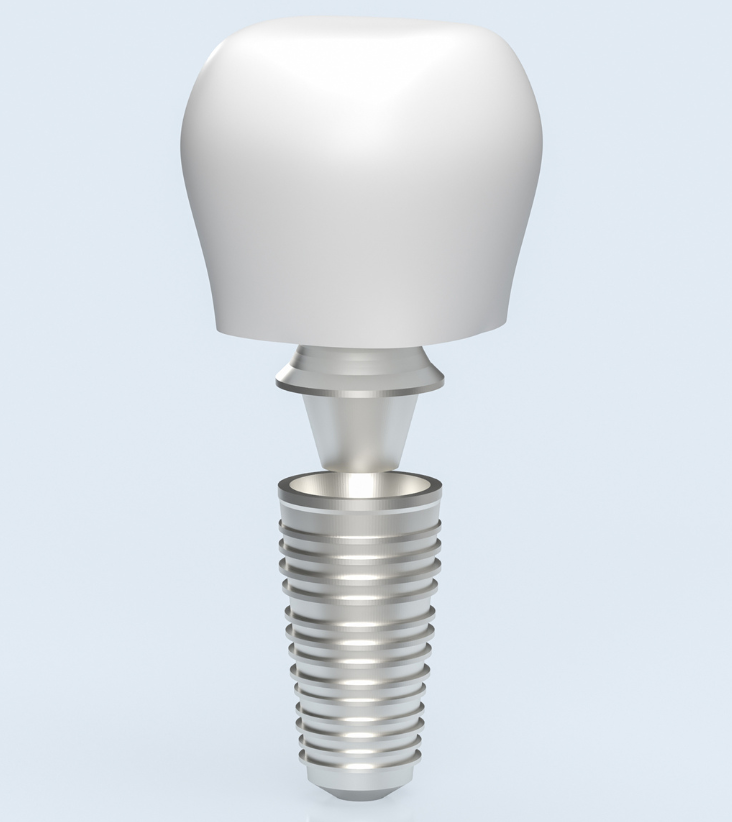
The surgery involves several stages:
- Damaged tooth removal.
- Jawbone preparation (grafting), when needed.
- Implant placement and healing (osseointegration).
- Abutment and artificial tooth placement.

Am I a Candidate for Dental Implants?
Whether you have one missing tooth, multiple missing teeth, or severely damaged teeth, you may be a candidate. Our dentists in West Orange, NJ, look for specific signs during your consultation, such as healthy gum tissue and sufficient bone density. If your gums are weak or you have periodontal disease, additional treatments may be required before the implant can besuccessfully placed.
Dental Implant Restoration
While implants can last decades, they may require maintenance. Dental implant restoration in West Orange, NJ, involves fixing loose, fractured, or worn-down implants. This process restores the strength and appearance of your smile, often utilizing screw-retained or cement-retained techniques to ensure a secure fit.
Dental Implant Surgery
During the surgical phase in West Orange, NJ, a surgeon makes an incision in the gums and positions the titanium post deep into the jawbone. This post then fuses with the bone with a process called osseointegration, which typically takes several months. A temporary replacement may be used during this healing phase to bridge the gap.
.jpeg)
Post-Op Care for Dental Implants
Following our post-operative instructions in West Orange, NJ, helps avoid infection. Patients may experience minor swelling, bleeding, or difficulty chewing for the first few weeks. We recommend a soft-food diet and avoiding irritants like very hot or cold beverages. Attending all follow-up appointments is crucial for
long-term success.
Implant Dentist in West Orange, NJ
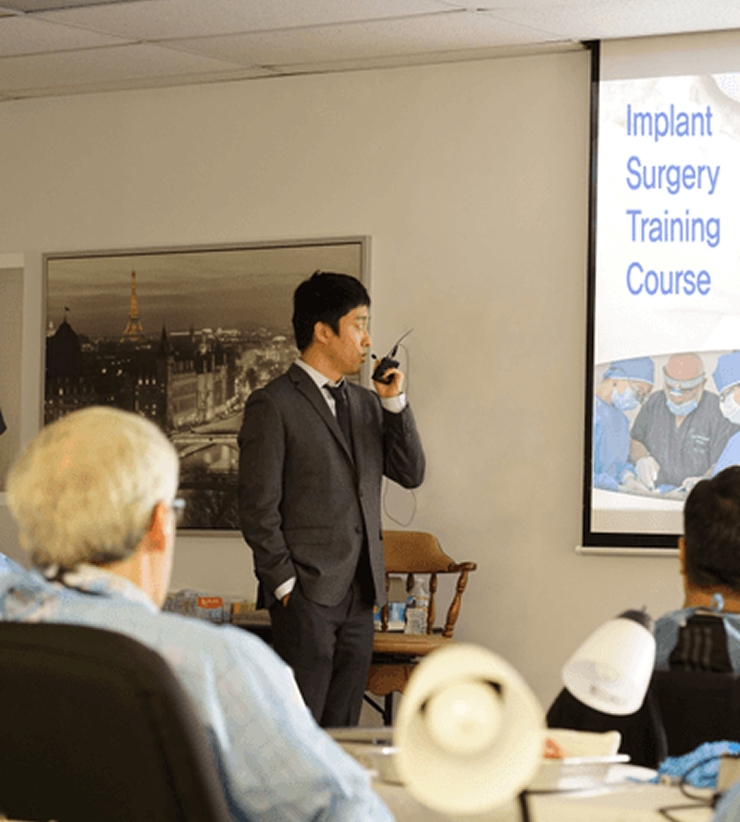
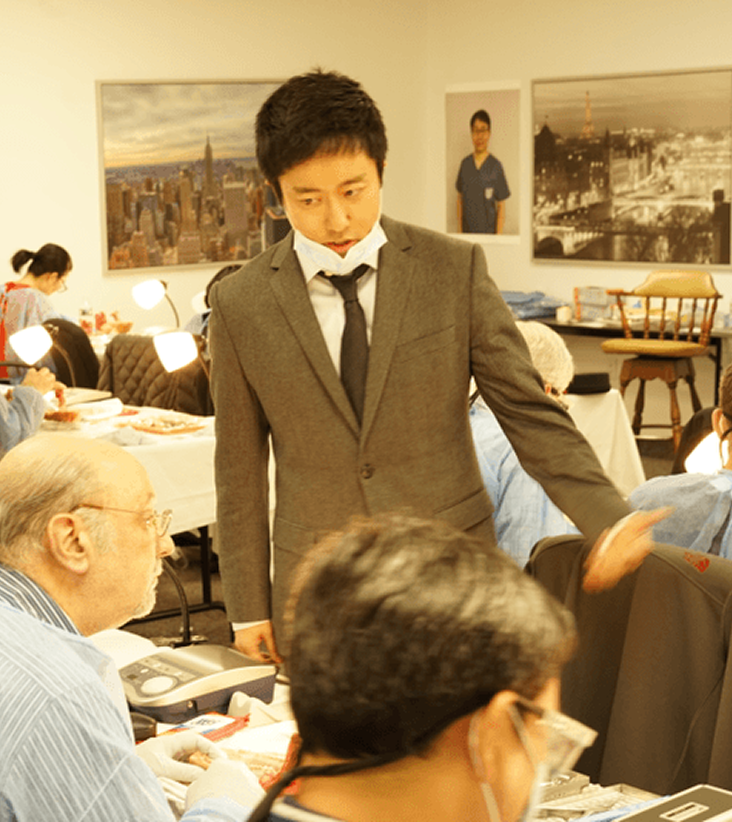
An implant dentist near you is a professional specifically qualified to place these surgical fixtures. While all licensed dentists can technically perform the procedure, choosing a specialist in West Orange, NJ, ensures you benefit from advanced training in diagnosing and treating potential surgical complications.
Benefits of Dental Implants
Dental implants near you are one of the most effective tooth replacement options available today.
Key advantages:
- Natural Look & Feel
Designed to match your real teeth
- Improved Comfort
Secure fit without slipping
- Enhanced Function
Eat, speak, and smile confidently
- Long-Term Solution
Can last a lifetime with proper care
- Bone Preservation
Helps maintain jawbone structure
Will I Need a Bone Graft for Dental Implants?
A bone graft ensures a secure hold for the artificial tooth by rebuilding density in the jawbone. If your jawbone is too thin or soft, our team in West Orange, NJ, may recommend this procedure to prevent resorption and ensure the implant has a stable foundation.
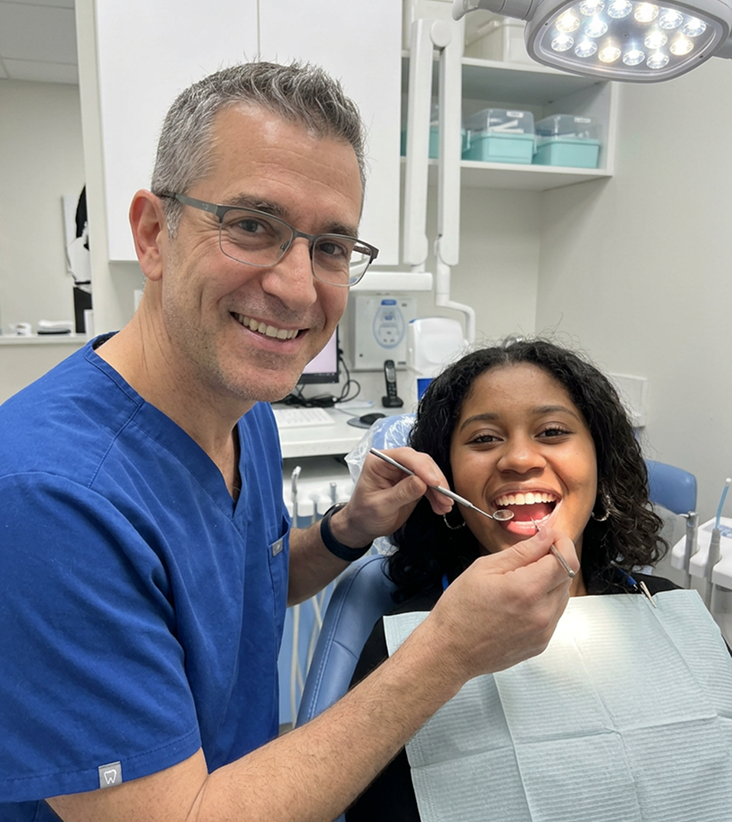
Implant Dentist in West Orange, NJ
An implant dentist near you is a professional specifically qualified to place these surgical fixtures. While all licensed dentists can technically perform the procedure, choosing a specialist in West Orange, NJ, ensures you benefit from advanced training in diagnosing and treating potential surgical complications.
The Difference Between Dental Implants and Mini Dental Implants
For some patients in West Orange, NJ, mini dental implants are a better fit. Traditional implants are 4–6 mm, while mini-implants are 2–3 mm. Mini implants are less invasive, often do not require bone grafting, and have a shorter recovery time, making them an excellent option for supporting dentures or bridges.
Restore Your Smile with Confidence
If you are living with missing teeth, dental implants can provide a permanent and reliable solution. Our experienced team is here to guide you through every step of the process. Call Newark Orange Emergency Dental & Implant Center at (973) 333-2861 today to schedule your appointment and take the first step toward a healthier, more confident smile.
.png)
Dental Implants FAQs

According to WebMD, most healthy people are good candidates for dental implants. However, weak or unsubstantial jawbone mass may limit whether a patient can receive implants. Restorative procedures like bone grafting can overcome this issue in some cases. A dentist can determine whether a patient is a candidate during an exam and consultation.
According to the American Association of Oral and Maxillofacial Surgeons, implant success rates are higher when performed by a dental specialist (as opposed to a general surgeon). Therefore, an experienced dentist with quality reviews from previous dental implant clients is ideal, along with having the necessary education and license to practice. Also, patients should consider how the dentist presents himself and the trust established during the consultation.
Every patient is different, but it typically takes between four to eight months to complete all stages of the dental implant procedure. The dental implant must go through osseointegration, which involves the implant fusing with the surrounding bone. This process takes between three to six months.
A significant loss of bone density may make dental implants a less desirable solution for patients who prefer not to go through bone grafting. Those who prefer a replacement solution that does not involve a surgical procedure may not make for an ideal candidate either.
There are many reasons why a dental implant restoration may be necessary. Bone grafting complications, maxillary arch implant complications, and improper implant placement are just a few of the issues that may necessitate an implant restoration. If any problems develop with the look, feel, or function of the implant, consider a restoration.
Dental implant surgery is most often not painful. The amount of discomfort depends on the form of numbing the surgeon and patient agree on using and the patient's pain tolerance. However, there is often swelling and discomfort for some time following the surgery as the gums and jawbone heal.
Yes. We will most likely recommend a pre-scheduled checkup before the dental implant procedure. This is crucial during post-op care to ensure the dental implant is healing properly. The frequency of the visits depends on various factors, including the number of implants that we place.
The success rate of dental implant procedures is typically very high. However, the success rate is affected by the patient's oral hygiene and the implant location. Implant procedures have a success rate of up to 98%.
If the patient intends to replace a damaged or loose tooth with a dental implant, then tooth extraction is necessary. A dentist may also recommend treatment for periodontal disease in addition to a bone grafting procedure, along with filling and repairing any eroded or damaged teeth.
Mini dental implants are durable in the sense they can last for years without needing significant repair or replacement. However, they are not as durable as traditional implants. It is not uncommon for mini dental implants to last five to ten years without any issues.
Visit Us for Comfortable Dental Care in West Orange, NJ
.svg)


